



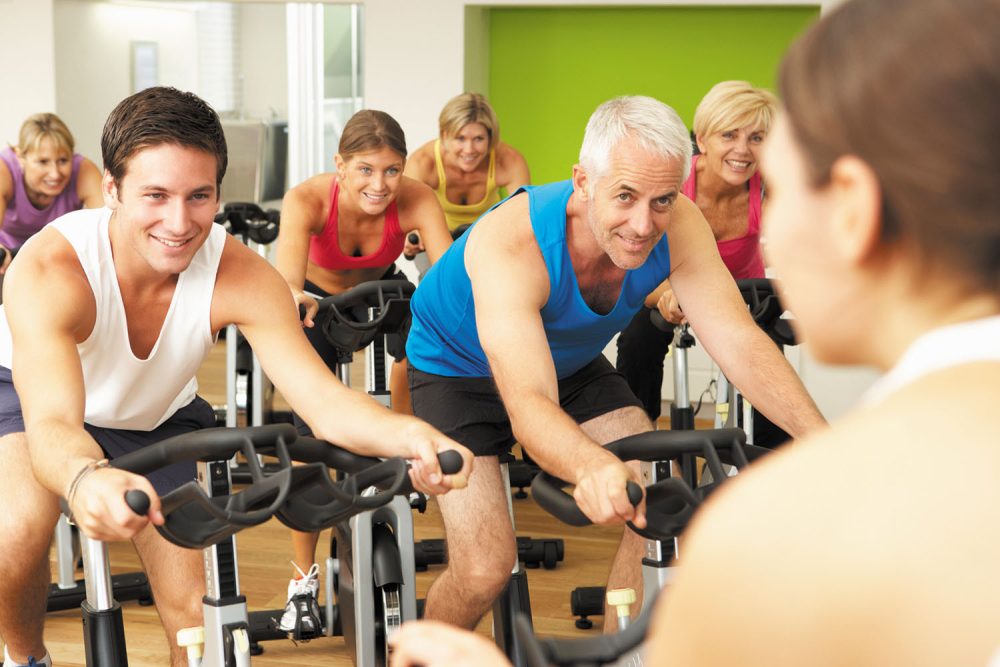
As Singapore continues to lead in economic development, the health and wellness of its workforce has never been more crucial. A growing number of businesses are recognising that employee wellbeing isn’t just about providing insurance or annual check-ups—it’s also about fostering daily habits that promote both physical and mental resilience. This is where indoor cycling Singapore is making its mark, offering an efficient, high-impact wellness solution for professionals across all industries.
More companies are now including indoor cycling programmes in their corporate wellness plans, and for good reason. It combines team bonding, stress relief, and physical activity in one energetic package. Organisations that invest in these experiences are not only helping employees stay fit, but also enhancing productivity, morale, and engagement. Providers like TFX are increasingly becoming preferred partners for forward-thinking companies that value employee wellbeing as a business priority.
The Demand for Fitness in the Workplace
With hybrid work, long hours, and sedentary routines becoming the norm, many employees in Singapore report feeling tired, uninspired, and physically sluggish. While step challenges and occasional wellness talks have their place, they don’t always create the lasting behavioural shift that leads to better health.
Indoor cycling, on the other hand, offers an immediate and immersive way to counteract desk fatigue and re-energise the mind. It allows staff to take a physical break that leaves them refreshed, rather than drained. Unlike solo gym workouts, cycling classes bring teams together in a high-energy setting, which is ideal for building rapport across departments and job levels.
Benefits of Indoor Cycling for Employee Wellness
Indoor cycling is suitable for all fitness levels and can be modified to individual capabilities, making it an inclusive choice for workplace fitness. Here are some of the key benefits for professionals:
- Improved focus and energy: Just 30–45 minutes of cycling significantly boosts endorphins and mental clarity, which translates to better concentration at work.
- Stress management: The rhythmic pedalling, music, and instructor motivation offer an ideal outlet for stress and frustration accumulated during a hectic workday.
- Stronger team relationships: Group exercise breaks down hierarchy and builds camaraderie in a non-competitive, supportive space.
- Healthier lifestyle habits: Once employees start incorporating indoor cycling into their routines, they’re more likely to make better dietary and sleep choices as well.
In high-pressure sectors like finance, tech, and logistics, these benefits are not just personal—they also impact business outcomes such as reduced absenteeism, fewer burnout cases, and better morale.
Bringing Indoor Cycling into the Corporate Environment
There are several ways to integrate indoor cycling into your company’s wellness strategy. Some organisations opt for group bookings at nearby studios, while others partner with providers who can conduct onsite sessions or offer virtual rides during lunch hours or after work.
Popular formats include:
- Team-based challenges: Departments compete based on attendance or effort, boosting friendly competition and accountability.
- Wellness weeks: Cycling sessions are slotted into themed health events to educate and energise staff.
- Executive rides: Targeted classes for leadership teams to promote a top-down culture of health.
- Hybrid access: Employees can book both in-person and virtual sessions to accommodate remote or travelling staff.
Having access to flexible schedules is important in Singapore’s fast-moving work culture. That’s why established fitness centres with multiple locations and tech-integrated systems are ideal partners for businesses seeking consistency.
Key Considerations for Employers
While introducing indoor cycling into your workplace can be highly effective, successful implementation depends on a few factors:
- Accessibility: Make sure the studio is conveniently located near your office or allow time for offsite classes without affecting work hours.
- Inclusivity: Cater for all fitness levels—ensure that first-timers are supported and not overwhelmed.
- Culture fit: Choose a provider that understands Singapore’s corporate norms and can align wellness programming accordingly.
- Long-term engagement: Avoid one-off events. Regular classes or a structured 12-week wellness challenge tend to show better outcomes.
Management buy-in is essential. When HR teams lead the initiative but executives also participate, it sends a powerful message that wellness is embedded in the organisation’s values—not just a checkbox activity.
Success Stories from Local Companies
Several organisations in Singapore have already seen tangible improvements after introducing indoor cycling programmes. From law firms aiming to reduce employee stress, to creative agencies looking to stimulate fresh thinking, the effects are consistent: more focused employees, improved team morale, and better health metrics.
These companies report a ripple effect where staff become more invested in other aspects of health, including better nutrition and regular medical check-ups. What began as a simple cycling class often grows into a broader wellness culture that enhances both staff satisfaction and employer branding.
Why Indoor Cycling Beats Conventional Fitness Programmes
Many corporate wellness initiatives fall flat because they lack excitement or fail to integrate seamlessly into daily routines. Indoor cycling, with its immersive music, motivational instructors, and structured pace, offers a uniquely energising experience. It’s fun, scalable, and doesn’t require specialised athletic ability to begin.
In contrast to solo gym sessions or passive seminars, spin classes are active, dynamic, and socially rewarding. They serve as a mental refresh button, allowing employees to return to their desks recharged and ready to focus.
Frequently Asked Questions
Q: We have employees of all fitness levels. Will indoor cycling be too intense for some of them?
A: Not at all. Indoor cycling is self-paced. Each rider controls their own resistance, so beginners can ease in while experienced riders can push harder. Instructors are trained to guide everyone safely.
Q: Can indoor cycling really help reduce workplace stress?
A: Yes. Cycling releases endorphins and helps clear mental fatigue. The immersive nature of classes—especially with music and lighting—makes it easier to switch off from work stress temporarily.
Q: How many times a week should employees attend to see benefits?
A: Two to three times weekly is ideal for noticeable improvements in energy, mood, and focus. Even once a week can yield benefits over time if maintained consistently.
Q: Is it possible to arrange indoor cycling sessions onsite?
A: Some providers offer mobile setups or virtual cycling sessions. However, most companies prefer studio partnerships due to better infrastructure and equipment.
Q: Does this work for small teams or only large companies?
A: Indoor cycling scales easily. Whether it’s a small start-up with 10 staff or a multinational with 300 employees, sessions can be customised based on group size and availability.