



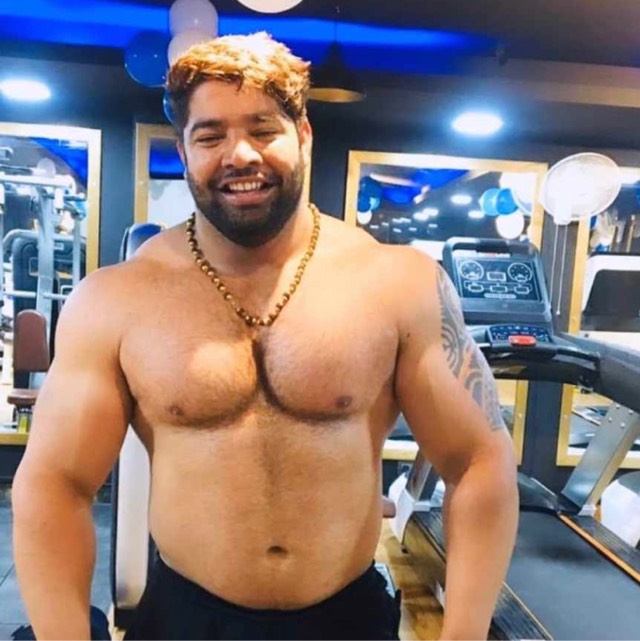
If you’ve spent any time around North India’s grassroots gyms or scrolled through Delhi–NCR fitness reels, you’ve likely seen the name neeraj pepsu. For many young lifters, the name conjures up an image of rugged discipline—early-morning sets, street-strong stamina, and a tight brotherhood that celebrates hard work. This guest post explores who neeraj pepsu was, why his story resonated so deeply, and what the next generation of athletes can learn from both his rise and the pain he quietly carried.
Who Was Neeraj Pepsu?
Neeraj Pepsu (often also referred to as Neeraj Tanwar by people who knew him offline) emerged from the Asola–Fatehpur Beri belt of South Delhi—a cluster of villages known for horse culture, wrestling akharas, and a fiercely proud approach to fitness. In local gyms and guard shifts, he built a reputation first as a bodybuilder and bouncer, and later as a motivational figure for young lifters who related more to chalk-dusted plates and desi diets than to glossy commercial fitness.
What set neeraj pepsu apart wasn’t just size or strength. It was the way he embodied a code: loyalty to friends, respect for elders, a taste for risk, and a blunt insistence that success demands sacrifice. That combination—raw ability plus community-first values—helped turn him from a neighborhood name into a widely recognized moniker across Delhi–NCR and beyond.
What Does “Pepsu” Mean—and Why It Stuck
The word “PEPSU” historically refers to Patiala and East Punjab States Union, a post-Independence political union that many North Indians still recognize as a part of regional history and identity. Over time, “Pepsu” became a badge you might see in north-Indian nicknames, crew tags, or gym handles—shorthand for a proud, tough, Punjabi–Haryana–Delhi belt identity.
When neeraj pepsu began uploading reels, gym clips, and snippets from daily life, the nickname traveled with the content. Fans adopted it. It appeared in bios, fan pages, and tribute posts. Soon, “Neeraj” and “Pepsu” felt inseparable online—a symbol that blended person and place, strength and style, into one.
Early Life and the Road to Strength
Growing up around Asola–Fatehpur Beri, neeraj pepsu was never far from sport. While not everyone can afford elite coaches or imported supplements, the local ecosystem offers something just as decisive: culture. The area’s gyms, akharas, and security jobs keep everyday athleticism alive. It’s a place where a young lifter can learn form from a senior, grind through tough sessions, and move into paid security or event work that demands real-world strength.
From accounts shared by friends and followers, neeraj pepsu put in that work—long sessions, simple meals, reliable routines. The aesthetic was not stage-tan and spotlights; it was practical muscle built for unpredictable nights on the job and blue-collar endurance.
Work, Hustle, and the Bouncer Life
A lot of Delhi bodybuilders earn through bouncer shifts, event security, or gym training. The economics are unpredictable: one month’s take-home can look great while the next turns lean. Neeraj pepsu became emblematic of that lifestyle—lifting to stay employable, working to keep lifting. It’s a loop many young athletes know too well.
That loop can be brutal. Late nights and conflict-prone venues aren’t exactly restorative. Yet the bouncer circuit also offers camaraderie and reputational lift. When a lifter like neeraj pepsu proves cool-headed under pressure, word spreads. For aspiring lifters, his trajectory felt tangible: not celebrity fantasy, but a gritty path you could realistically follow.
The Social Media Footprint and Fan Community
As short-form video exploded, neeraj pepsu’s identity crystalized online. Short clips of heavy lifts, locker-room banter, and heartfelt lines about loyalty resonated with young men who saw fragments of their own stories. Fan pages multiplied. Tribute posts quoted his maxims about sacrifice, brotherhood, and earning respect.
Why did this hit so hard? Because authenticity wins. Neeraj pepsu didn’t look curated; he looked real. He reminded followers that strength can be built on crowded benches, that consistency counts more than fancy gear, and that—no matter where you start—effort creates momentum.
The Tragedy and Why We Must Talk About It Carefully
In March 2020, neeraj pepsu died by suicide. For an audience that had placed him on the pedestal of toughness, the news felt impossible. But that is precisely why his story matters: it exposes a gap between physical hardness and mental health.
Many fans asked how something like this happens to someone so strong. The uncomfortable truth is that depression does not spare the strong. Work instability, family stress, grief, or private burdens can weigh heavily—especially in subcultures that expect men to “handle it” in silence. The more we celebrate resilience, the more we also need to normalize asking for help.
If you or someone you know is struggling, you deserve support. In India, you can call the KIRAN mental health helpline at 1800-599-0019 or Tele MANAS at 14416 for free, 24/7 counseling. Talking about it is a sign of strength, not weakness.
What Neeraj Pepsu’s Journey Teaches Young Athletes
1) Build Strength With Systems, Not Spurts
The lifters who last create routines—fixed training days, sleep windows, meal plans that match income. Neeraj pepsu became aspirational because he trained like a job. That’s the blueprint: plan, execute, repeat.
2) Diversify Income Early
Security shifts, coaching, online programs, and brand partnerships can stabilize cash flow. When one stream dips, another helps you hold ground. Many lifters wait too long to formalize this—build it now.
3) Take Recovery as Seriously as PRs
Training stresses the body. Work stresses the mind. Stack both for months and you’ll need more than a Sunday nap. Program in deload weeks, light cardio, stretching, and days off screens.
4) Talk About the Heavy Stuff
Brotherhood isn’t just for spotting squats. It’s for checking in—on money stress, family illness, or grief. The strongest move in a hard season might be a conversation with a counselor or a trusted elder.
5) Leave a Trail for Others
What made neeraj pepsu unforgettable is that he pulled others along—motivating younger boys in neighborhood gyms, setting standards, and making lifters from ordinary backgrounds feel seen. That’s a legacy you can choose, too.
How Fans Continue to Remember Neeraj Pepsu
In reels, captions, and fan pages, the name neeraj pepsu stays alive. People share lifting montages, celebrate “pepsu” as a shorthand for bravery, and post quotes about sacrifice and loyalty. Offline, the tribute is quieter: a few extra reps in his name, a harder run when the lungs burn, a decision to do the right thing even when no one is filming.
For many, that’s the real influence of neeraj pepsu—a standard of effort. Not perfection. Not endless wins. Effort.
A Respectful, Evidence-Led Timeline (What We Can Say With Confidence)
- Community & Work: Recognized in Delhi’s fitness circles as a bodybuilder and bouncer, with roots in the Asola–Fatehpur Beri region.
- Public Persona: Built a strong social media presence—clips from gyms, motivational one-liners, and crew camaraderie—leading to a sustained fan following.
- Passing: Died in March 2020 by suicide, a loss that shook fans and opened overdue conversations around mental health in male-dominated fitness spaces.
- Legacy: Continues to motivate lifters from working-class neighborhoods who see in neeraj pepsu a pathway that is tough, imperfect, and very real.
Practical Takeaways for Aspiring Lifters Inspired by Neeraj Pepsu
- Start where you are: A basic gym and consistent intent will beat fancy equipment without discipline.
- Track the boring stuff: Sleep, steps, protein, water. The small wins compound.
- Protect your pockets: Rotate between security gigs, coaching hours, and online products. Create a rainy-day buffer.
- Build a circle: Two or three training partners who show up on time are worth more than a crowd that dips when things get hard.
- Keep perspective: Strength is a pillar, not a cure-all. Your mind needs care, too. If anxiety, hopelessness, or grief is getting heavy, call a helpline or speak to a professional.
A Note on Responsible Remembrance
Stories around people like neeraj pepsu can spiral into rumor. The respectful approach is simple: honor the verified parts of his journey—his work ethic, his influence, his love for the gym—and use his story to push our communities toward support, not silence. That means lifting each other up in the weight room and showing up when someone says they’re not okay.
FAQs About Neeraj Pepsu
Who exactly was Neeraj Pepsu?
Neeraj Pepsu was a Delhi-based bodybuilder and bouncer from the Asola–Fatehpur Beri belt who became widely known through local gyms, neighborhood networks, and social media. His nickname “Pepsu” became synonymous with grit and brotherhood in North India’s grassroots fitness scene.
Is “Neeraj Pepsu” the same person as “Neeraj Tanwar”?
Yes. Offline, many knew him as Neeraj Tanwar; online, the nickname “Neeraj Pepsu” gained wider traction. Fans and friends often used both names when posting tributes and training clips.
What made Neeraj Pepsu influential beyond bodybuilding?
He represented a realistic pathway for working-class athletes—training hard, earning through bouncer/security work, mentoring younger lifters, and building a raw, relatable identity online. His message—consistency, sacrifice, loyalty—landed with those who live the same grind.
What happened in March 2020, and how should we talk about it?
In March 2020, neeraj pepsu died by suicide. We should speak about it respectfully and factually, and use the moment to highlight mental health support for athletes. If you or a friend is struggling, reach out to KIRAN (1800-599-0019) or Tele MANAS (14416) in India for free, confidential help.
How can a young athlete follow his blueprint without repeating the pain?
Adopt his work ethic and community mindset, but add systems he didn’t always have: diversified income, programmed recovery, and proactive mental-health check-ins. Strength plus support beats strength alone.
What training principles did Neeraj Pepsu’s journey highlight?
Train compound lifts, show up on schedule, and embrace boring consistency. Keep nutrition simple and affordable, prioritize sleep, and program deloads. The “secret” is adherence.
How can communities keep his legacy alive meaningfully?
By mentoring the next generation, funding safe training spaces, normalizing counseling, and celebrating effort as much as trophies. Post the tribute, yes—but also spot someone on their last set and call a friend who’s been quiet.