



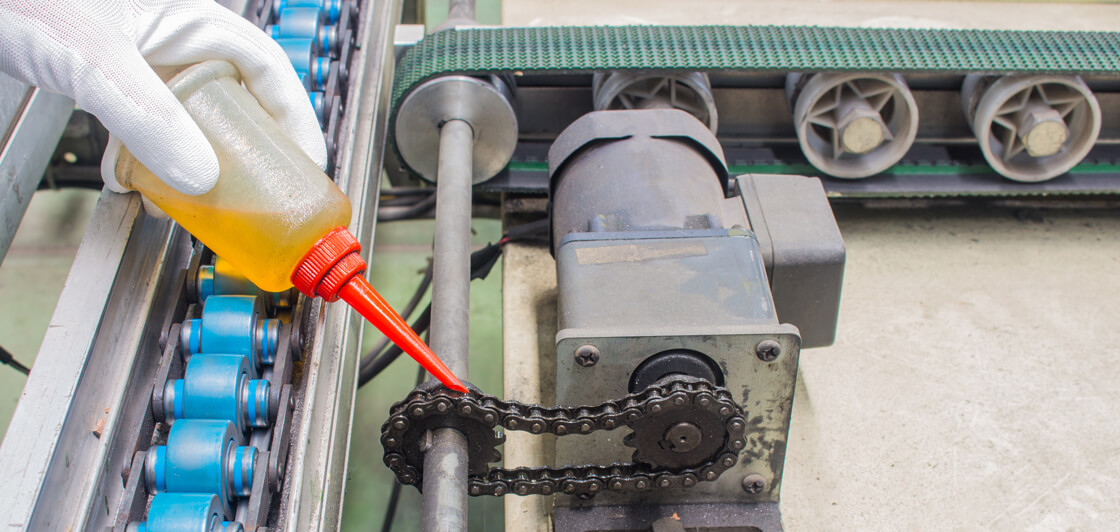
In the demanding environment of modern manufacturing and heavy equipment maintenance, the difference between a seamless production line and a costly, unexpected shutdown often comes down to the microscopic layer of protection applied to moving parts. While facility managers and maintenance engineers frequently focus on large-scale infrastructure, the small-scale chemistry of industrial penetrating oils and high-performance lubricants serves as the foundation for mechanical longevity. Understanding when to utilize a penetrating agent versus a long-term protective lubricant is essential for maintaining equipment in high-stress, high-output environments.
The Chemistry of Dissolving Resistance
When metal components are exposed to moisture, chemical vapors, or extreme temperature fluctuations, oxidation occurs. This buildup of rust and corrosion creates a mechanical bond that renders standard fasteners and assembly points immobile. In these scenarios, simply applying force is rarely the answer; excessive torque often leads to sheared bolts, stripped threads, or fractured housings, turning a routine removal task into a complex repair project.
This is where industrial penetrating oils become indispensable. Unlike standard machine oils that are designed to coat surfaces, a high-quality penetrating agent is engineered with low surface tension. This specific physical property allows the fluid to “creep” into microscopic crevices, traveling along the threads of a seized bolt or into the interstitial spaces of a frozen bearing. The primary goal of these formulations is to act as a solvent, breaking down the chemical bridges formed by iron oxide and other contaminants that lock parts together.
Once the bond is broken, the surfactant-rich nature of the formula provides temporary lubrication, allowing the components to be disassembled without further damaging the mating surfaces. For technicians working on legacy machinery or equipment stationed in harsh, outdoor environments, having a reliable penetrating agent on hand is the first step in preventive maintenance.
Selecting the Right Industrial Lubricant for Load-Bearing Systems
Once components are clean and serviced, the focus must shift from liberation to protection. This is the realm of the industrial lubricant. While penetrating agents are designed to be temporary, a true lubricant is formulated to persist under pressure, heat, and repeated motion.
Choosing the correct product depends entirely on the operating environment. A high-speed, light-duty bearing requires a lubricant with low viscosity to minimize fluid friction and heat generation. Conversely, heavy-duty gear systems or oscillating linkages that carry immense loads require a heavy-bodied grease or oil with extreme pressure (EP) additives. These additives are designed to prevent metal-to-metal contact even when the oil film is pushed to its absolute limit, protecting the surface integrity of gears and shafts.
Temperature Stability and Environmental Resilience
One of the most significant challenges in industrial settings is managing the behavior of lubricants across varying temperature ranges. In facilities where machinery generates internal heat or operates in environments with extreme ambient shifts, the lubricant must maintain a stable viscosity. If a lubricant becomes too thin as temperatures rise, it will leak out of the housing, leaving the machinery vulnerable. If it thickens too much during cold startup cycles, it can prevent the equipment from reaching operational speed, leading to high torque demand and potential motor failure.
Modern industrial lubricant technology addresses this by utilizing synthetic bases that offer a broader service temperature window than traditional petroleum-based products. These synthetics resist oxidation and thermal breakdown far more effectively, which in turn extends the intervals between maintenance shutdowns. By selecting a lubricant tailored to the specific thermal profile of the machine, maintenance teams can significantly reduce wear and tear.
Best Practices for Application and Maintenance
Even the highest quality oil will fail if the application process is flawed. Effective maintenance starts with the concept of cleanliness. Applying fresh lubricant over a layer of grit, old grease, or metal shavings essentially turns the lubricant into a grinding paste, which accelerates component wear rather than preventing it.
Before applying any industrial penetrating oils, technicians should remove loose debris from the exterior of the assembly. Once the seized part is loosened and cleaned, the area must be cleared of the penetrating solvent, which is too thin to provide long-term lubrication. Only after the surface is prepared should the appropriate long-term lubricant be introduced.
The Role of Scheduled Lubrication Routines
The most efficient maintenance programs are not reactive; they are predictive. By establishing a rigorous lubrication schedule, facilities can track the condition of their equipment. This involves:
- Auditing Lubrication Points: Mapping out every fitting and interface that requires attention to ensure no critical component is neglected.
- Tracking Throughput: For high-use machinery, lubrication cycles should be based on operating hours or cycles rather than calendar days.
- Cross-Contamination Prevention: Ensuring that different types of grease or oil are not mixed, as this can cause thickening or chemical separation that renders the lubrication ineffective.
By integrating these practices, businesses move away from the “firefighting” mode of constant repairs and toward a state of optimized production.
Balancing Performance and Sustainability
Modern industrial operations are increasingly sensitive to the environmental footprint of their maintenance chemicals. The latest generation of lubricants and penetrating fluids includes options that are less toxic and more biodegradable without sacrificing the performance characteristics required for heavy-duty use.
When evaluating these products, facility managers should look for data on flash points, volatility, and film strength. A product that performs well but evaporates quickly, or one that requires excessive application to maintain a film, will inevitably lead to higher costs and increased chemical waste over time.
A Strategic Approach to Equipment Longevity
The maintenance of industrial machinery is often viewed as a logistical necessity rather than a technical strategy. However, by optimizing the use of industrial penetrating oils for component removal and carefully selecting the right industrial lubricant for ongoing operation, companies can achieve a dramatic reduction in downtime.
This is about more than just keeping parts moving; it is about protecting the capital investment of the facility. Every hour of equipment uptime gained through better maintenance is an hour of production capacity restored. As industrial processes become more complex and machines are pushed to higher tolerances, the reliance on high-performance lubrication technology will only grow. Those who prioritize the quality and application of these products today will find their equipment operating more reliably and profitably for years to come. Ultimately, the meticulous care of internal mechanical parts is the silent partner to every successful industrial operation.