



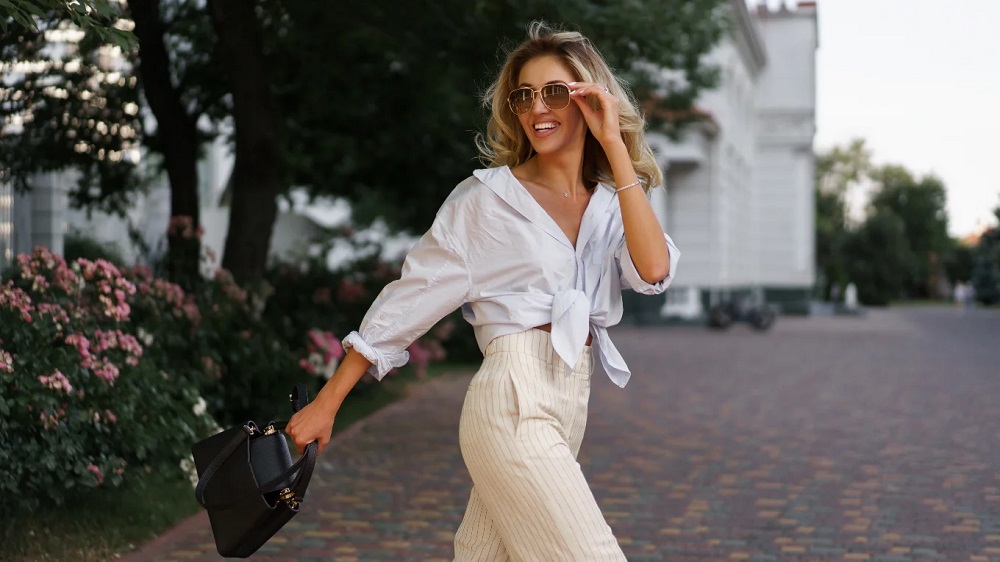
True elegance is rarely a matter of luck or an unlimited budget. Instead, it is the result of deliberate, daily habits that streamline the process of getting dressed while ensuring a polished appearance. Looking sophisticated on a daily basis requires shifting the focus from acquiring endless trends to cultivating a functional, curated wardrobe. By adopting a systematic approach to style, garment care, and purchasing decisions, anyone can project effortless elegance every time they step out the door.
The Foundation of a Curated Wardrobe
The most common obstacle to everyday elegance is an overstuffed closet filled with items that do not fit, do not match, or still have the tags attached. A chaotic closet leads to decision fatigue, forcing individuals to reach for the same uninspired outfits out of sheer convenience. Building a streamlined wardrobe of high-quality essentials ensures that every item serves a distinct purpose.
Conducting a Strategic Closet Audit
To build a functional wardrobe, you must first assess what you already own. Set aside a dedicated block of time to evaluate every single garment in your possession based on specific, practical criteria.
-
Assess the fit: Try on every item. If a garment is too tight, uncomfortably loose, or bunches awkwardly, it should be removed. Everyday elegance requires clothes that move comfortably with your body.
-
Evaluate the condition: Check for pilling, loose threads, permanent stains, or faded fabric. Worn-out clothing instantly degrades an overall look, regardless of how expensive the item originally was.
-
Analyze frequency of use: If you have not worn an item within the past twelve months, it is highly unlikely you will wear it in the future. Separate these pieces for donation or consignment to free up physical and mental space.
Mastering the Art of Intentional Shopping
Elegant dressing is deeply tied to disciplined buying habits. Fast fashion encourages impulse purchases driven by temporary emotional highs or fleeting online trends. These garments are often poorly constructed and rarely integrate into a cohesive style narrative. Smart style habits dictate that every new acquisition must actively earn its place in your collection.
Implementing the Three-Outfit Rule
Before purchasing any new garment, challenge yourself to mentally visualize at least three distinct outfits you can create using items already in your closet. If a blouse cannot be styled seamlessly with your existing trousers, skirts, or jackets, do not buy it. A beautiful piece that requires you to purchase three additional items just to wear it is a liability, not an asset.
Prioritizing Fabric Integrity Over Labels
Elegance is tactile. The composition of a fabric dictates how a garment drapes on the body, how it reacts to movement, and how well it holds up over time. Make a habit of checking the internal care labels before heading to the cash register.
-
Choose natural fibers: Seek out breathable, durable materials such as cotton, wool, silk, linen, and cashmere. These fabrics naturally look richer and retain their structure significantly better than synthetic alternatives.
-
Limit cheap synthetics: Avoid heavy reliance on pure polyester, acrylic, and nylon, which tend to trap heat, pill quickly, and develop a shiny, cheap appearance after a few cycles in the washing machine.
Prioritizing Tailoring and Precision Fit
The secret weapon of exceptionally well-dressed individuals is a skilled local tailor. Off-the-rack clothing is manufactured based on standardized, mass-market sizing models designed to fit everyone vaguely and no one perfectly. A garment that fits flawlessly across the shoulders, bust, waist, and ankles instantly elevates a person’s presence, turning an ordinary outfit into a bespoke statement.
Key Tailoring Adjustments That Elevate a Look
You do not need an entirely custom wardrobe to look refined. Small, inexpensive alterations to mass-market clothing can make a profound difference in your overall presentation.
-
Hemming trousers and skirts: Ensure pants hit at the exact right height for your preferred shoes, preventing fabric from pooling awkwardly around your ankles or dragging on the ground.
-
Shortening sleeves: Blazer and jacket sleeves should ideally end just above the wrist bone, allowing a fraction of an inch of a shirt cuff to peek through. Sleeves that swallow the hands look sloppy and oversized.
-
Taking in the waist: Altering the waist of a dress, coat, or pair of trousers to trace your natural silhouette prevents a boxy, drowning appearance.
Implementing Rigorous Garment Care Routines
An elegant outfit can be instantly ruined by wrinkles, lint, or structural damage. How you treat your garments after you take them off is just as important as how you style them. Establishing strict maintenance habits preserves the integrity of your clothing, ensuring you always look immaculate.
Developing the Post-Wear Assessment Routine
Never throw clothes carelessly onto a chair or back into the closet at the end of the day. Develop a quick inspection habit to maintain your wardrobe’s pristine condition.
-
Check for immediate stains: Inspect collars, cuffs, and underarms for makeup, sweat, or food marks. Treat minor spots immediately before they set into the fabric.
-
Utilize quality hangers: Replace flimsy wire hangers with wide wooden or velvet options. Wire hangers distort the shoulders of knits and coats, permanently ruining their shape.
-
Embrace steaming over ironing: Invest in a reliable handheld fabric steamer. Steaming is gentler on delicate fibers than a traditional hot iron, quickly removing wrinkles while reviving the natural texture of the fabric.
The Power of Monochromatic and Neutral Palettes
When time is limited, relying on a palette of sophisticated neutrals is the easiest way to look instantly put together. Bright, clashing patterns require careful styling coordination and can easily look dated. In contrast, neutral tones naturally complement one another, allowing for effortless mixing and matching during busy mornings.
Building a Cohesive Color Blueprint
Establish a core color palette that forms the bedrock of your wardrobe, allowing you to get dressed with minimal cognitive effort.
-
Anchor with base neutrals: Build the majority of your capsule collection around black, navy blue, charcoal gray, camel, and cream. These colors inherently project an aura of calm, professional sophistication.
-
Incorporate subtle contrast: Utilize stark whites and soft ivory tones to break up darker hues and add visual crispness to your look.
-
Maintain tonal harmony: When pairing different shades of the same color, ensure the undertones match. For example, pair cool grays with crisp whites, and warm camels with rich creams.
Frequently Asked Questions
How can someone look elegant while wearing casual attire like jeans and a t-shirt?
Everyday elegance in casual wear depends entirely on fit and fabric structure. Swap thin, distressed denim for dark-wash or solid ecru straight-leg jeans with a finished hem. Pair them with a heavyweight, opaque cotton t-shirt instead of a sheer, slub-knit option, and layer a structured blazer or structured cardigan over the top to instantly frame the silhouette.
What are the most common style mistakes that unintentionally age an outfit?
The most common errors include wearing poorly fitting undergarments that fail to support a clothing line, holding onto dated shoe styles with scuffed toes, and over-accessorizing with matching jewelry sets. Additionally, wearing stiff, unyielding fabrics that restrict natural movement can make a person look rigid and outdated rather than timeless.
How do you balance functional seasonal dressing with an elegant aesthetic during severe weather?
Invest in high-quality, structured outerwear that serves as the focal point of the outfit. A tailored wool trench coat or a sleek, belted down coat keeps you warm while maintaining a clean silhouette. Pair these with weather-resistant leather boots that are kept polished, and coordinate cold-weather accessories like scarves and gloves in cohesive neutral tones.
How many pairs of shoes does a person actually need to maintain a sophisticated wardrobe?
A highly functional, elegant wardrobe requires approximately four to five versatile styles. This includes a classic leather loafer or ballet flat for daily comfort, a sleek neutral pump or block heel for formal settings, a clean white leather sneaker for casual outings, and a structured ankle boot for cooler months. Focus on quality leather and timeless shapes over variety.
What is the rule of thumb for accessorizing an outfit without looking cluttered?
Adhere to the focal point principle. Choose one primary statement piece, such as a pair of sculptural gold earrings or a classic leather belt with a clean buckle, and keep the remaining jewelry minimal and delicate. If your clothing features bold textures or buttons, reduce the quantity of jewelry to allow the garment lines to speak for themselves.
How can you prevent expensive knitwear from pilling and losing its shape?
Always wash knitwear inside out using a gentle wool-safe detergent, preferably by hand or on a delicate cycle inside a mesh laundry bag. Never wring out the water or hang knits to dry, as gravity will stretch the fibers. Instead, roll the garment in a clean towel to absorb excess moisture and lay it completely flat on a drying rack.
What is the most effective way to plan outfits for a busy work week to avoid morning stress?
Dedicate fifteen minutes on Sunday evening to check the upcoming weather forecast and your professional calendar. Select and assemble all five outfits for the week, including undergarments and accessories. Hang them in a designated section of your closet so they are fully prepared, steamed, and ready to wear without a second thought.