



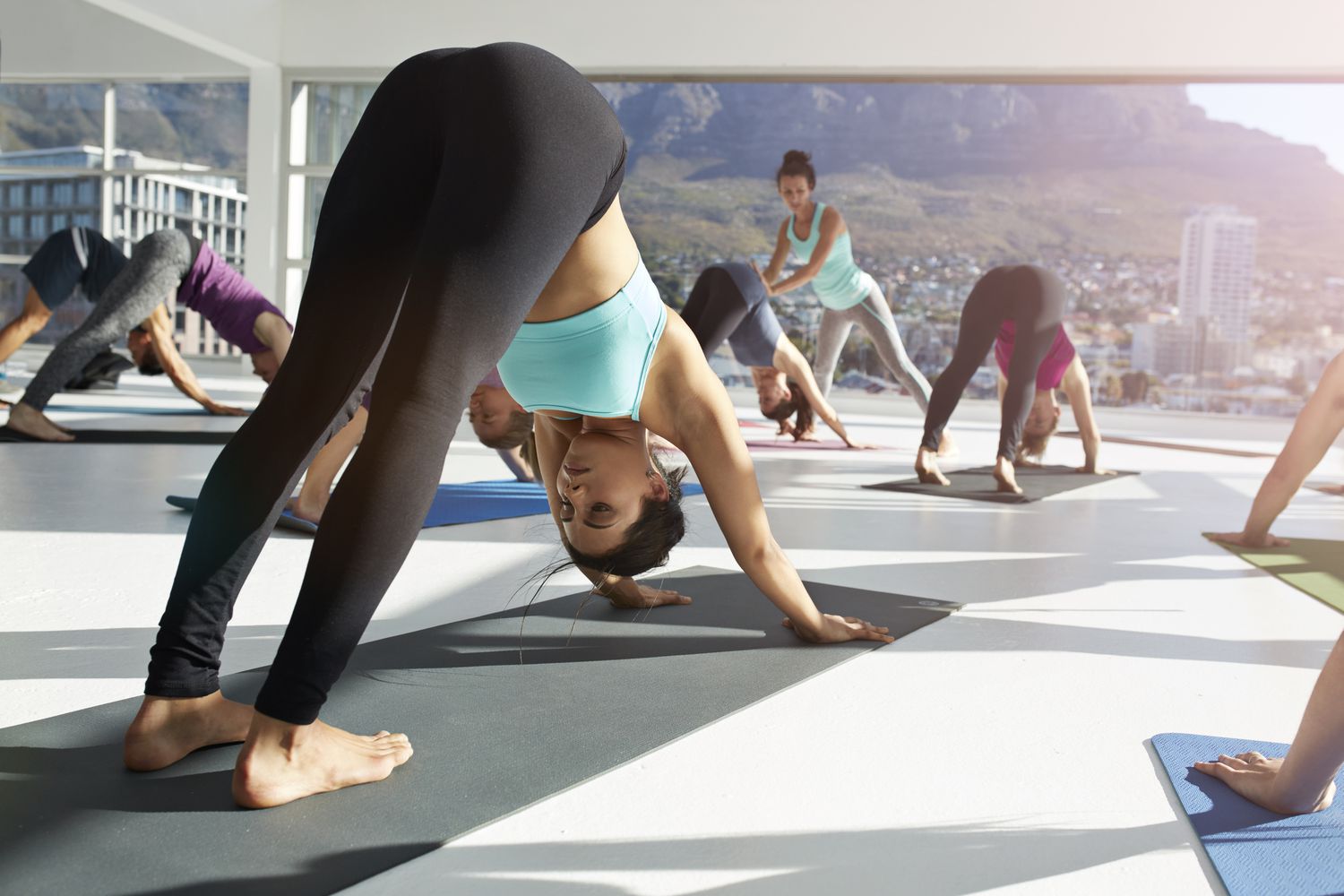
For many Singaporeans recovering from injury, illness, or prolonged stress, returning to physical activity can feel overwhelming. Whether you’re healing from a sports injury, coping with postnatal changes, or simply rebuilding strength after a sedentary period, the gentle yet powerful approach of hatha yoga offers a restorative path toward recovery and resilience.
Unlike rigorous workouts or high-intensity fitness programmes, hatha yoga emphasises balance, breath control, and mindful movement—an ideal combination for rehabilitation. It strengthens the body without overwhelming it, improves mobility without aggressive stretching, and fosters mental clarity at every stage of healing. For individuals in Singapore looking for a safe, supportive method to regain wellness, hatha yoga provides both structure and softness.
Why Hatha Yoga Is Ideal for Recovery and Rehabilitation
Rehabilitation is not just about regaining lost strength or movement—it’s about retraining the body and mind to work together again. This process requires patience, consistency, and care. Hatha yoga excels in all three areas.
Key reasons hatha yoga is suitable for recovery include:
- Low-impact movements that prevent re-injury or inflammation
- Customisable poses based on individual mobility and strength
- Gentle breathwork that enhances healing and nervous system balance
- Focus on alignment that retrains postural habits and muscle memory
In Singapore’s high-performance culture, where people often push themselves physically and mentally, hatha yoga offers a welcome shift in pace and intention.
Rehabilitating the Body with Breath-Led Movement
Healing is often hindered by tension—both physical and emotional. Hatha yoga integrates deep breathing into every posture, activating the parasympathetic nervous system and triggering a relaxation response in the body. This not only eases muscular tightness but also reduces inflammation and encourages deeper healing.
For those recovering from injury or surgery, the ability to reintroduce movement without pain or fear is crucial. Hatha yoga supports this by:
- Slowing transitions between poses, reducing stress on joints and soft tissues
- Holding postures longer, allowing time for muscles to re-engage mindfully
- Using breath as a tool to overcome tightness and encourage range of motion
These elements are particularly valuable for individuals dealing with lower back pain, knee issues, neck tension, or postural imbalances common among desk-bound Singaporeans.
Specific Poses That Support Physical Healing
While every recovery journey is unique, some hatha yoga poses have consistently proven beneficial for rehabilitation purposes. With proper guidance and adaptation, these poses offer strength, stretch, and support:
- Supta Baddha Konasana (Reclining Bound Angle Pose): Opens the hips and chest while encouraging full-body relaxation.
- Setu Bandhasana (Bridge Pose): Strengthens the lower back and glutes with minimal compression on the spine.
- Cat-Cow Sequence: Gently mobilises the spine and improves coordination between breath and movement.
- Viparita Karani (Legs Up the Wall): Reduces swelling in the lower limbs and improves circulation after long hours of sitting.
- Balasana (Child’s Pose): Restorative and grounding, ideal for emotional and physical reset.
When paired with conscious breathing, these poses allow for a deeply therapeutic experience.
Supporting Mental and Emotional Resilience During Healing
Recovery is rarely just physical. Emotional turbulence, fear of regression, and frustration are common during any healing process. Hatha yoga supports resilience not just by moving the body but by creating space to observe thoughts, regulate emotions, and stay grounded.
Mental health benefits of hatha yoga during recovery include:
- Reduced anxiety about slow progress or limitations
- Increased patience and acceptance of the body’s natural pace
- Greater body confidence through small, empowering improvements
- Improved sleep and reduced restlessness
This mental resilience is often what determines long-term recovery success, especially for individuals coping with chronic pain or past trauma.
Hatha Yoga After Illness or Medical Treatments
After illness—such as respiratory conditions, COVID recovery, or immune disorders—regaining energy and lung capacity becomes a priority. Hatha yoga’s breath-centric design is especially helpful for rebuilding stamina without exhausting the body.
Benefits in such contexts include:
- Gradual lung re-expansion through deep breathing exercises
- Improved circulation and oxygenation
- Boosted lymphatic flow, supporting detox and immune response
- Mood stabilisation, which is essential during post-illness fatigue
Practising hatha yoga under qualified supervision ensures safety while tapping into its full potential for healing.
Postnatal Recovery and Hatha Yoga
For many new mothers in Singapore, the postnatal period brings a mix of physical strain, hormonal shifts, and emotional fatigue. Hatha yoga provides a nurturing, self-paced environment to reconnect with the body, restore the pelvic floor, and relieve back tension caused by breastfeeding and baby care.
Postnatal-friendly benefits of hatha yoga include:
- Pelvic floor engagement in poses like Bridge and Supported Squats
- Gentle abdominal toning without aggressive crunching
- Shoulder and neck relief from holding and nursing positions
- Time for introspection and breath, helping new mums regulate emotions
Studios such as Yoga Edition often provide targeted sessions for women in postpartum recovery, ensuring that poses are adapted for individual needs.
Real-Life Recovery Journeys in Singapore
- Wei Ming, 42, accountant: After suffering a herniated disc, he began attending hatha yoga sessions once a week. Within three months, he reported less stiffness, better mobility, and improved sleep.
- Fiona, 35, mother of two: Turned to hatha yoga to cope with postnatal recovery and anxiety. The breath-led sessions helped her feel grounded and more confident in her body.
- Sundari, 60, retired teacher: Practised hatha yoga after knee surgery. With guidance, she rebuilt leg strength and now walks confidently without a cane.
These stories reflect the diversity of recovery experiences that hatha yoga can support when practised mindfully.
Tips for Starting Hatha Yoga for Recovery in Singapore
If you’re considering hatha yoga as part of your healing process, here are some key tips to ensure a safe and rewarding experience:
- Speak with your healthcare provider before starting, especially after surgery or if you’re managing chronic illness
- Inform your instructor of your limitations or goals so they can offer modifications
- Start slow—even 15 minutes of breath and gentle stretching counts
- Use props like blocks, bolsters, and straps to support alignment
- Track your progress with a journal or short weekly reflections
Hatha yoga is not about perfect poses—it’s about consistent, intentional progress that supports your whole self.
Frequently Asked Questions (FAQ)
Q1. Can I start hatha yoga even if I’m still in pain or limited in movement?
Yes, but it’s important to choose gentle sessions and work under guidance. Many poses can be adapted using props to prevent strain. Always listen to your body.
Q2. How soon after surgery or injury can I practise hatha yoga?
It depends on the type of surgery and your doctor’s advice. Some people start with breathing and restorative postures within weeks, while others wait several months. Always get clearance first.
Q3. What if I can’t get down on the floor easily?
You can begin with seated or chair-based variations. Many studios in Singapore accommodate seniors or those with mobility concerns by using props and supports.
Q4. Will hatha yoga replace physical therapy?
No. Hatha yoga complements but does not replace medical rehabilitation. It works well alongside physiotherapy or as a maintenance practice after therapy ends.
Q5. How do I find a suitable class or instructor in Singapore for recovery-focused yoga?
Look for beginner or restorative hatha yoga sessions. Studios like Yoga Edition provide structured programmes that cater to various needs, with experienced instructors trained in safe modifications.