



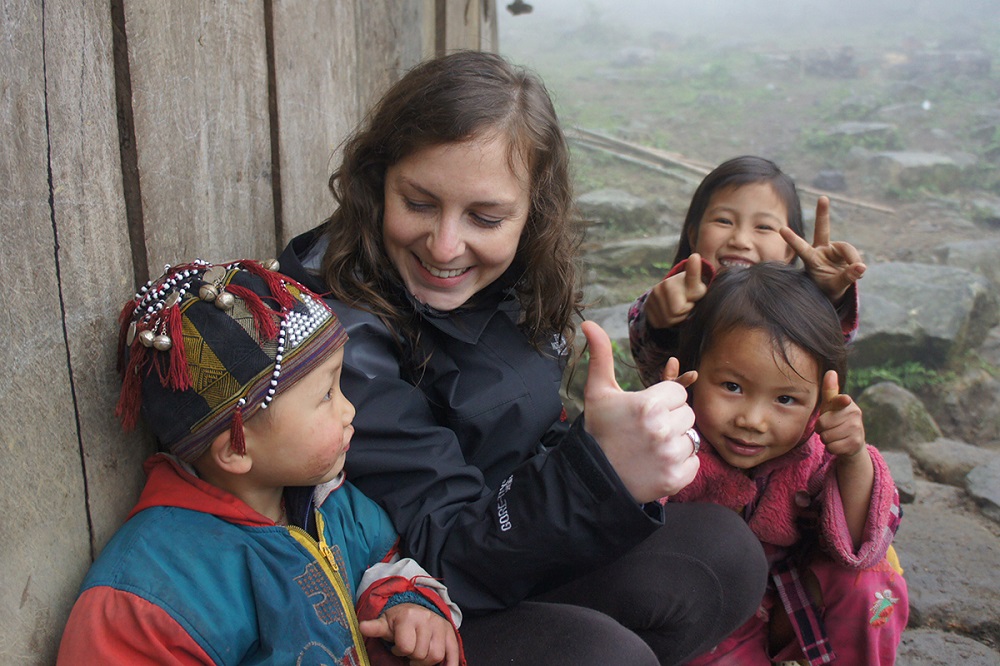
International tourism has transformed the globe into an interconnected neighborhood, allowing individuals to cross oceans and experience vastly different societies within a matter of hours. This unprecedented access to foreign destinations brings immense personal enrichment, but it also carries significant ethical responsibility. Travel is not merely a transaction where one purchases a ticket to view an exotic backdrop; it is a profound cross-cultural encounter that demands heightened awareness, humility, and active consideration.
When tourists enter a new destination, they are stepping into a living, breathing community with its own historical traumas, sacred spaces, social hierarchies, and deeply ingrained behavioral norms. Approaching these destinations with an attitude of entitlement or ignorance can cause unintended harm, eroding local heritage and fostering resentment toward visitors. Cultivating cultural respect ensures that travel remains a mutually beneficial exchange, preserving the integrity of host communities while offering travelers genuine, transformative insights into the human experience.
Shifting From a Consumer to a Guest Mindset
The primary psychological obstacle to culturally respectful travel is the consumer mindset. When individuals save their hard-earned money for a vacation, they frequently fall into the trap of believing that financial expenditure grants them total behavioral liberty. They view the destination as a living amusement park designed entirely for their entertainment and comfort, expecting locals to conform to their personal standard of customer service, linguistic preferences, and cultural values.
Adopting an authentic guest mindset completely flips this dynamic. A respectful traveler understands that they are entering someone else’s home. Just as one would not walk into a friend’s living room and demand that they rearrange the furniture or change their native language, a traveler must adjust their expectations to match the reality of the host country.
Core Attributes of the Guest Mindset
-
Relinquishing ethnocentrism: Recognize that your native way of doing things is not the objective default or superior baseline. Different social systems evolved to solve specific historical and environmental challenges.
-
Embracing patience over convenience: Accept that bureaucratic processes, public transit schedules, and restaurant service models may operate at a completely different pace than what you experience at home.
-
Prioritizing observation over judgment: When encountering an unfamiliar custom, focus on understanding its underlying cultural context before labeling it as backward, strange, or inefficient.
The Nuance of Non-Verbal and Linguistic Etiquette
Language is the definitive vehicle of culture, and attempting to navigate a foreign country without learning basic linguistic protocols is a form of cultural negligence. Relying solely on the assumption that everyone speaks English conveys a subtle sense of cultural superiority. Even if a host country has a high rate of English proficiency, initiating an interaction in the native tongue demonstrates a baseline of effort and respect that locals immediately appreciate.
Equally critical is the domain of non-verbal communication. Gestures that are entirely benign or positive in Western nations can carry deeply offensive, vulgar, or aggressive connotations in other regions of the world. Master travelers proactively study these subtle communicative variances before arriving at their destination.
Critical Behavioral and Gestural Adjustments
-
The linguistic opening: Always memorize fundamental courtesies such as hello, please, thank you, and excuse me in the local language. Use these greetings systematically before asking a question in English.
-
Hand gesture awareness: The standard Western thumbs-up gesture is considered highly offensive in parts of West Africa and the Middle East, while the peace sign with the palm facing inward is viewed as a severe insult in the United Kingdom, Australia, and New Zealand.
-
The politics of the left hand: In many traditional cultures throughout India, the Middle East, and parts of Africa, the left hand is reserved strictly for bodily hygiene. Passing food, money, or documents with the left hand is viewed as profoundly unhygienic and disrespectful.
Safeguarding Sacred Spaces and Dress Codes
One of the most frequent flashpoints for conflict between tourists and host communities involves appropriate conduct at historical, religious, or indigenous sites. Ancient temples, active cathedrals, solemn war memorials, and ancestral lands are frequently compromised by visitors who prioritize capturing the perfect social media photograph over honoring the sanctity of the environment.
Respecting these environments requires a combination of strict behavioral restraint and adherence to traditional dress guidelines. Modesty requirements are not designed to oppress visitors, but rather to maintain the energetic and spiritual purity of spaces that have been venerated for centuries.
Best Practices for Religious and Historic Sites
-
Proactive wardrobe adjustments: When visiting religious structures across Asia, Europe, or the Middle East, ensure your shoulders and knees are fully covered. Carry a lightweight scarf or sarong in your daypack to adjust your clothing dynamically as needed.
-
Honoring footwear regulations: Always remove your shoes immediately when entering mosques, Buddhist temples, or traditional homes across Asia. Look for designated shoe racks or observation piles near the entrance as an indicator.
-
Restricting photography: Observe and obey all photography signage strictly. Never take photographs of individuals engaged in prayer, and entirely avoid taking selfies or posing dramatically at somber locations such as historical concentration camps, burial grounds, or active monasteries.
The Ethics of Photography and Social Media Representation
The digital era has commodified travel photography, turning faces and everyday lives of indigenous peoples into content for global digital audiences. Taking a photograph of a person in a foreign country without their explicit consent is a violation of their personal dignity and bodily autonomy. This issue is particularly acute when tourists photograph vulnerable children in developing nations, actions that would be considered completely unacceptable in the traveler’s home country.
Furthermore, posting images that emphasize poverty, exoticism, or backwardness can perpetuate harmful stereotypes, reducing complex societies to one-dimensional caricatures. Respectful travel photography focuses on human connection, collaboration, and mutual dignity.
Rules for Ethical Visual Documentation
-
Secure verbal or non-verbal consent: Make eye contact, smile, gesture toward your camera, and ask for permission before capturing a portrait. If the individual shakes their head or looks away, immediately lower your camera and respect their boundary.
-
Engage before clicking: Spend time conversing with artisans, street vendors, or community elders before asking to take their picture. Treat them as an individual collaborator rather than a photographic prop.
-
Protect minor privacy: Never take or publish photographs of children in foreign countries, particularly in educational or residential settings. Avoid tag locations that reveal the precise geographic positions of vulnerable indigenous communities.
Supporting the Local Economy and Mitigating Economic Displacement
Cultural respect also extends into the tangible economic footprint a traveler leaves behind. Tourism can be a powerful engine for poverty alleviation, but it can also lead to economic exploitation if the majority of tourist spending is captured by multinational cruise lines, international resort chains, and foreign-owned tour agencies. This phenomenon, known as tourism leakage, deprives host communities of the financial resources needed to maintain their infrastructure and protect their heritage.
Furthermore, aggressive bartering with local market vendors over nominal sums of money reveals a profound disconnect regarding economic privilege. For a Western traveler, a single dollar may be inconsequential, but for a local artisan or farmer, that same amount can directly impact their family’s daily security.
Directing Capital to Community Infrastructure
-
Patronize family-owned businesses: Purposely seek out locally owned guest houses, independent restaurants, and homegrown tour guides. This ensures your financial contribution flows directly into the localized economy.
-
Purchase authentic craftsmanship: Buy souvenirs directly from the artisans who created them, rather than purchasing mass-produced, imported replicas from mega-souvenir shops located near major transit hubs.
-
Practice ethical negotiation: Bartering is a normal cultural component of commerce in many regions, but it should always be approached as a lighthearted social interaction rather than a hostile battle. Pay a fair price that respects the time, labor, and materials required to produce the item.
Frequently Asked Questions
How should a traveler handle a situation where local cultural norms directly conflict with their personal ethical values?
When a traveler encounters a local custom that conflicts with their personal values, the most respectful approach is peaceful non-participation rather than overt condemnation. If you disagree with specific gender dynamics or animal usage practices in a country, you can vote with your wallet by avoiding those specific businesses or events. Unless human safety is compromised, avoid launching into public arguments or lectures, as a short-term visitor rarely possesses the deep historical context required to influence systemic social change.
What are the hidden cultural implications of giving money or candy directly to children begging in developing nations?
While giving money or candy to begging children stems from genuine compassion, it creates a highly destructive cycle of dependency. Direct handouts encourage parents to keep their children out of school to beg from tourists, as the child becomes a primary source of immediate family income. Additionally, constant candy consumption contributes to severe dental decay in regions lacking accessible dental care. Support structured local non-profit organizations or school lunch programs instead.
How does tipping etiquette vary globally and why can over-tipping be culturally disruptive?
Tipping dynamics are highly variable. In nations like Japan and South Korea, tipping is completely absent from the culture and can be interpreted as an insulting implication that the establishment does not pay their staff a dignity-respecting wage. Conversely, in the United States, tipping is structurally essential. In some developing nations, excessive over-tipping by affluent tourists can distort the local economy, causing service workers to earn far more than local teachers, nurses, or doctors, which creates local social imbalances.
What steps can a traveler take to respect the dietary customs of a country with strict religious food laws?
Research the prevailing religious dietary laws, such as Halal protocols in Muslim regions or Kosher rules in orthodox communities, before arrival. When dining in these areas, never bring prohibited outside food items into restaurants, and avoid asking for substitutions that violate religious culinary separations. If a local family extends an invitation for a home-cooked meal, communicate any severe allergies early but remain open to tasting traditional dishes as a sign of hospitality acceptance.
How can visitors navigate the cultural complexities surrounding bargaining in countries where it is expected?
Treat bargaining as a collaborative relationship-building conversation rather than a zero-sum financial war. Begin by observing what locals are paying to establish a realistic baseline value. When negotiating, offer a price that is reasonable, maintain a warm, smiling demeanor, and once you agree on a final price with a vendor, honor your word and complete the transaction without backing out at the last second.
Why is the concept of saving face critical to understand when traveling through East and Southeast Asia?
The concept of face represents an individual’s public dignity, honor, and social standing. In many Asian cultures, causing someone to lose face through public criticism, loud displays of anger, or blunt corrections is viewed as a severe social infraction. If an operational error occurs with a hotel booking or transport ticket, resolve the issue through quiet, calm, and private negotiation to allow the worker to fix the mistake without public embarrassment.
How can travelers ensure they are respecting indigenous cultures when visiting designated protected lands?
Always hire certified indigenous guides who belong to the specific community you are visiting, as they can accurately translate sacred protocols and boundary lines. Remain strictly on designated pathways to avoid trampling native flora or disturbing historical archaeological layers, and respect all tribal rules regarding total closures of specific geographic natural features during traditional ceremonial periods.